Case Study
Real-world application of trust architecture in a mid-market transformation.

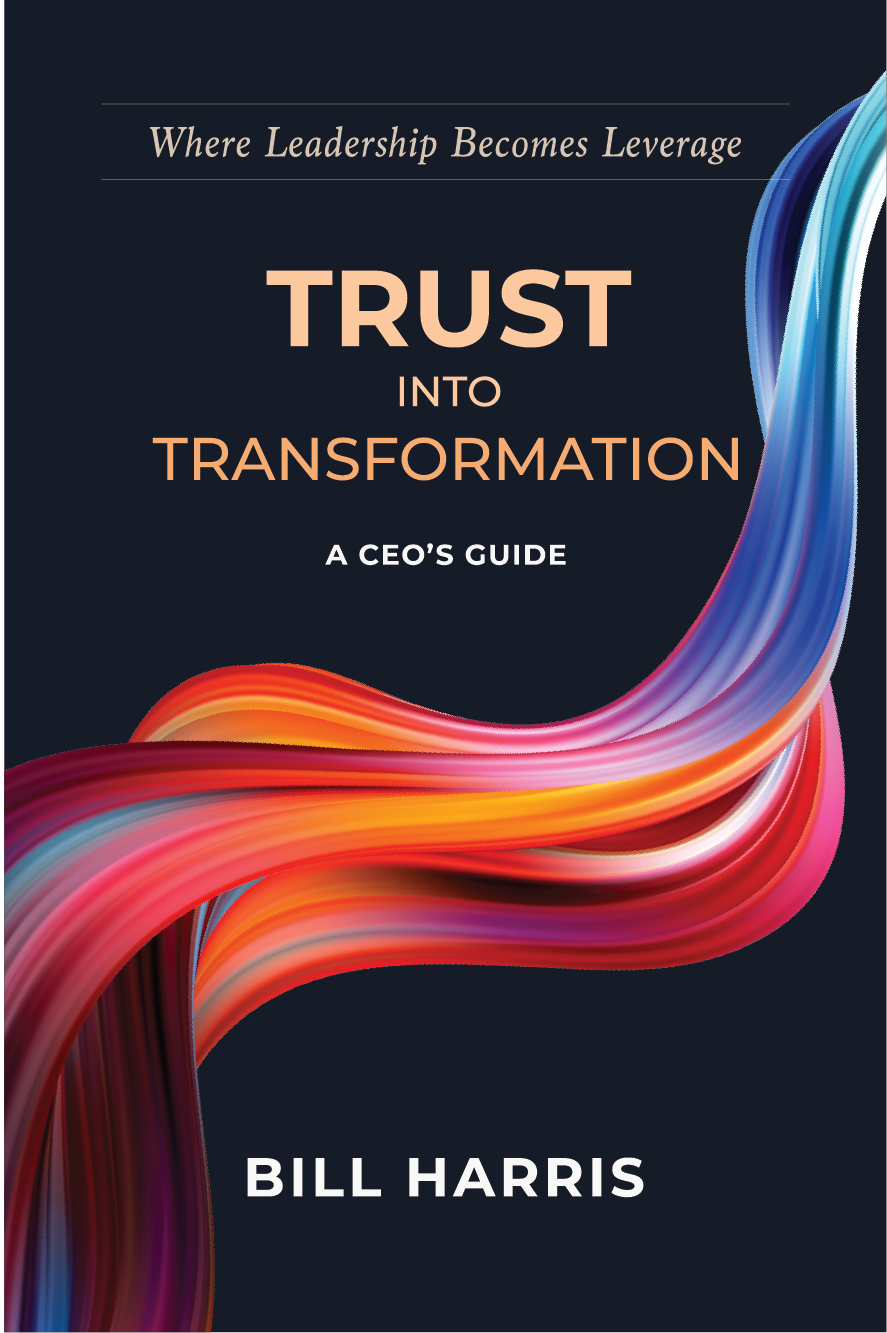
A CEO's Guide
Why mid-market CEOs need a new operating model. A practical guide for leaders navigating complexity, building structural trust, and transforming how their organizations think, move, and perform.
Available at
Hear from the Author
Four shifts that change how you lead and how your organization performs.
"We're doing everything right. So why does it feel like we're still a little behind?"
Most leadership teams believe they're aligned. The data says otherwise. Learn to see the interpretive gaps that fragment momentum before they become crises.
"What if trust wasn't a feeling, but an architecture?"
Shared truth. Shared language. Shared cadence. The structural framework that keeps organizations coherent under pressure and accelerates everything.
"CEOs don't burn out from working hard. They burn out from carrying what their systems should hold."
Stop being the organization's single point of interpretation. Build the architecture that holds complexity so you can lead from clarity instead of exhaustion.
"Not theory. Architecture."
Trust-Aligned KPIs. The Trust Maturity Model. A shared vocabulary. Cadence frameworks. Practical tools you can implement immediately, not someday.
A systematic journey through the architecture of organizational trust.
Why the world outpaced the model CEOs inherited, and why traditional leadership no longer fits the moment.
What destabilizes interpretation, coherence, and confidence inside mid-market companies.
The systems, language, and interpretive methods that stabilize momentum.
How leaders create interpretive coherence, emotional steadiness, and organizational lift.
Where structural trust becomes identity, culture, and organizational presence.
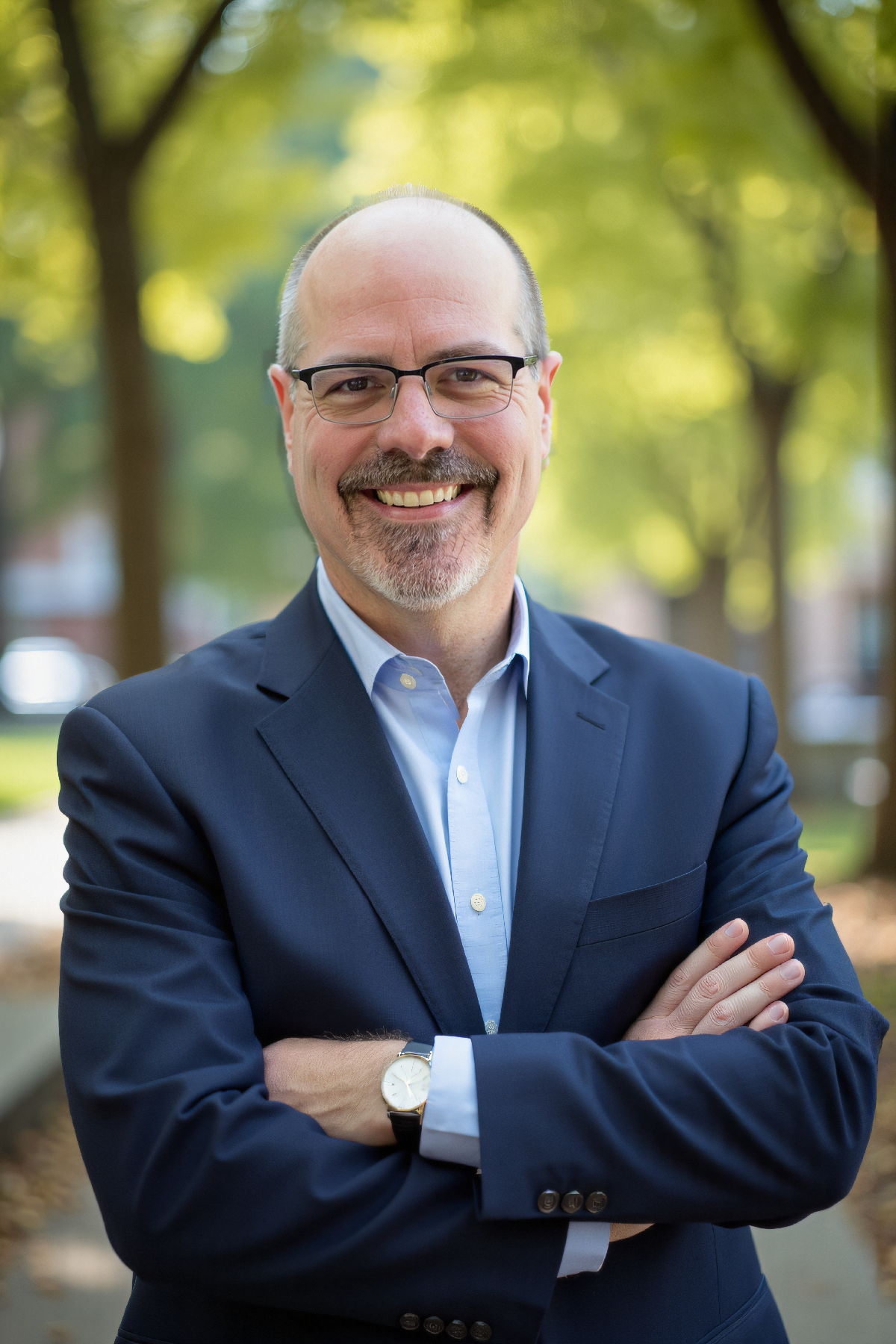
Bill Harris
Founder & CEO
Listen to Bill Read This
My name is Bill Harris. And I didn't set out to write a book about trust.
I set out to solve a problem I kept hearing in boardrooms, leadership meetings, and late-night conversations with CEOs who were carrying far more than their organizations realized.
"We're doing everything right. So why does it feel like we're still a little behind?"
It wasn't strategy. It wasn't talent. It wasn't effort. It was something deeper, something structural, something they could feel but rarely articulate.
And it echoed a moment early in my own career, when I was handed a leadership role faster than I was emotionally prepared for. I remember sitting alone in my car before work one morning thinking, "Everyone expects me to have the answers. I'm still trying to understand the questions."
That feeling, private responsibility, public steadiness, still visits CEOs today.
The world accelerated. Leadership models didn't.
A few years ago, while cleaning out old folders, I found a dated version of my CV. Near the bottom were five short reminders I had scribbled to myself:
Be a good listener.
Ask questions that help people think better.
Enter every project with eyes wide open.
Learn. Adapt. Improve.
Be memorable.
At the time, they were simple anchors, quiet rules about how I wanted to show up. I didn't know they would eventually become the backbone of how I advise CEOs. I didn't know they would shape a leadership identity I would later call the Orchestrator, one rooted in clarity, steadiness, interpretation, and presence.
Why This Book Exists
The leadership environment has changed more than any generation before it. CEOs feel this before the data confirms it: Teams sound aligned, but the interpretations are uneven. Dashboards look clean, but the story underneath is fractured. People are working hard, but momentum isn't compounding.
The problem isn't effort. The problem isn't intelligence. The problem is interpretive infrastructure.
This book is not about inspiration. It's about architecture.
The Heart of the Argument
Organizations rarely fail because people stop caring. They fail because people stop interpreting reality in the same way.
Trust, the structural kind, not the sentimental kind, is what keeps meaning from fragmenting. When trust is designed into how an organization aligns, speaks, measures, decides, and moves, everything accelerates.
Together, they form Trust Operating System™, a practical, human, structural way to keep companies coherent under pressure.
A Quiet Emotional Reality
If there is an emotional center to this book, it's this: CEOs carry the burden of being the organization's final interpreter. They absorb filtered truth. They sense hesitation. They feel drift long before anyone names it.
This is not a book that replaces humanity with structure. It is a book that ensures structure supports humanity.
Let's begin.
Early readers share their thoughts on Trust Into Transformation
As the new CEO of a startup, I embraced the insights from Bill's Trust Operating System, making it mandatory reading for my leadership team. Trust is the cornerstone of our culture, enabling complex transformations, fostering authentic communications, empowering diverse teams, strengthening client bonds, and delivering operational excellence. Trust paves the way for differentiated performance, long term relationships, and lasting success.
The issues covered in this book have a very crucial role in a company's success. In one case, a CEO got so frustrated at not being able to trust the information he was getting that he ended up selling the business. If he had this book he would have bought the competition, instead of being bought.
Get insights on leadership, transformation, and building organizations that thrive.
No spam. Unsubscribe anytime. We respect your privacy.